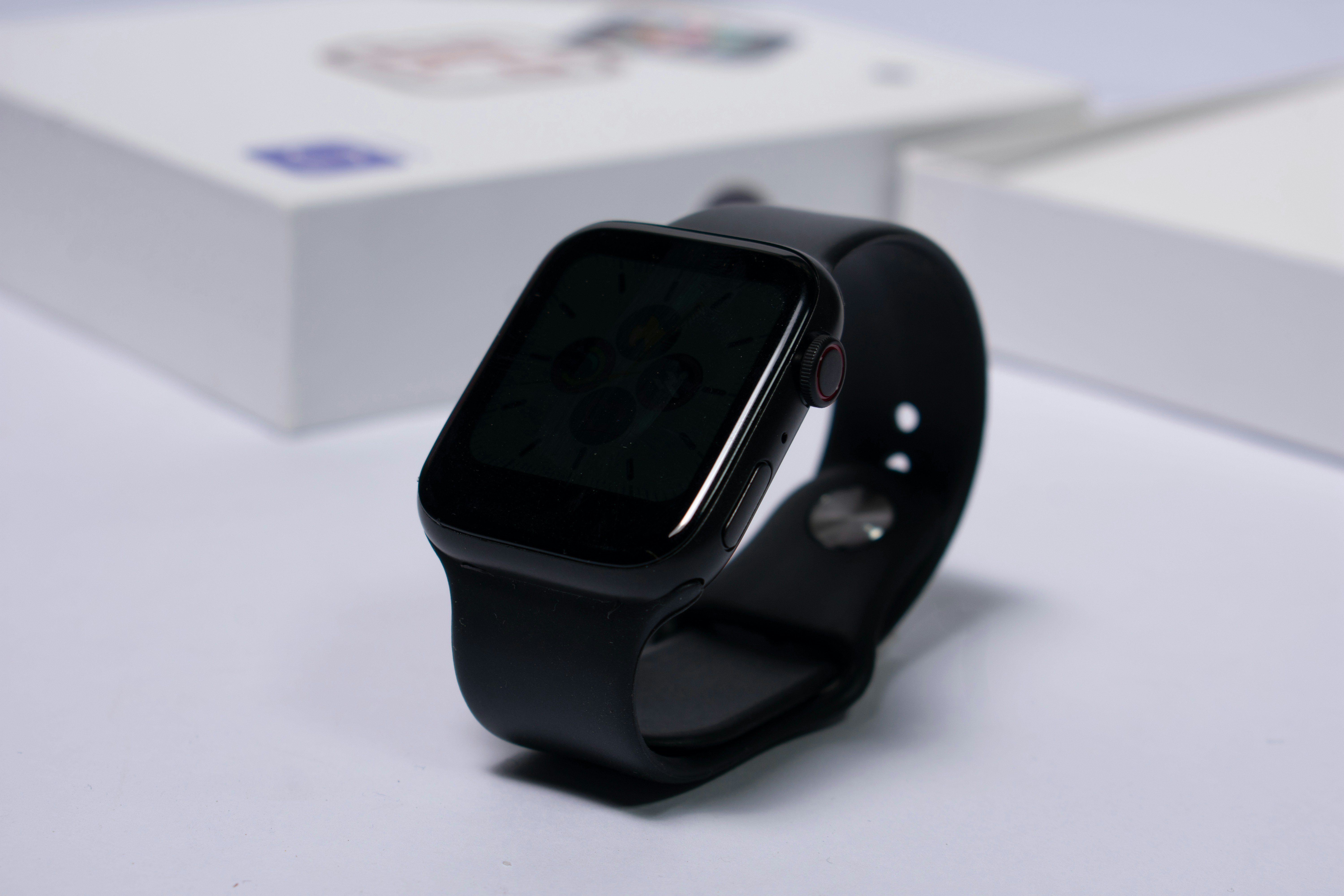
I have worn a fitness tracker every day since I landed in Brisbane. Not because I am obsessed with data — though I will admit the spreadsheets have gotten out of hand — but because I wanted to understand how my body was responding to a completely new environment. New climate, new routine, new stress patterns, new training load. Six months later, here is what the numbers actually told me.
The Metrics That Mattered
I track a lot. Steps, active minutes, calories, macros, sleep duration, sleep quality, HRV, resting heart rate, blood oxygen, hydration, and weekly body composition. That sounds excessive, and honestly some of it probably is. But over six months, three metrics stood above the rest in terms of actually predicting how I felt and performed: HRV, sleep quality, and resting heart rate.
HRV Was the Honest Metric
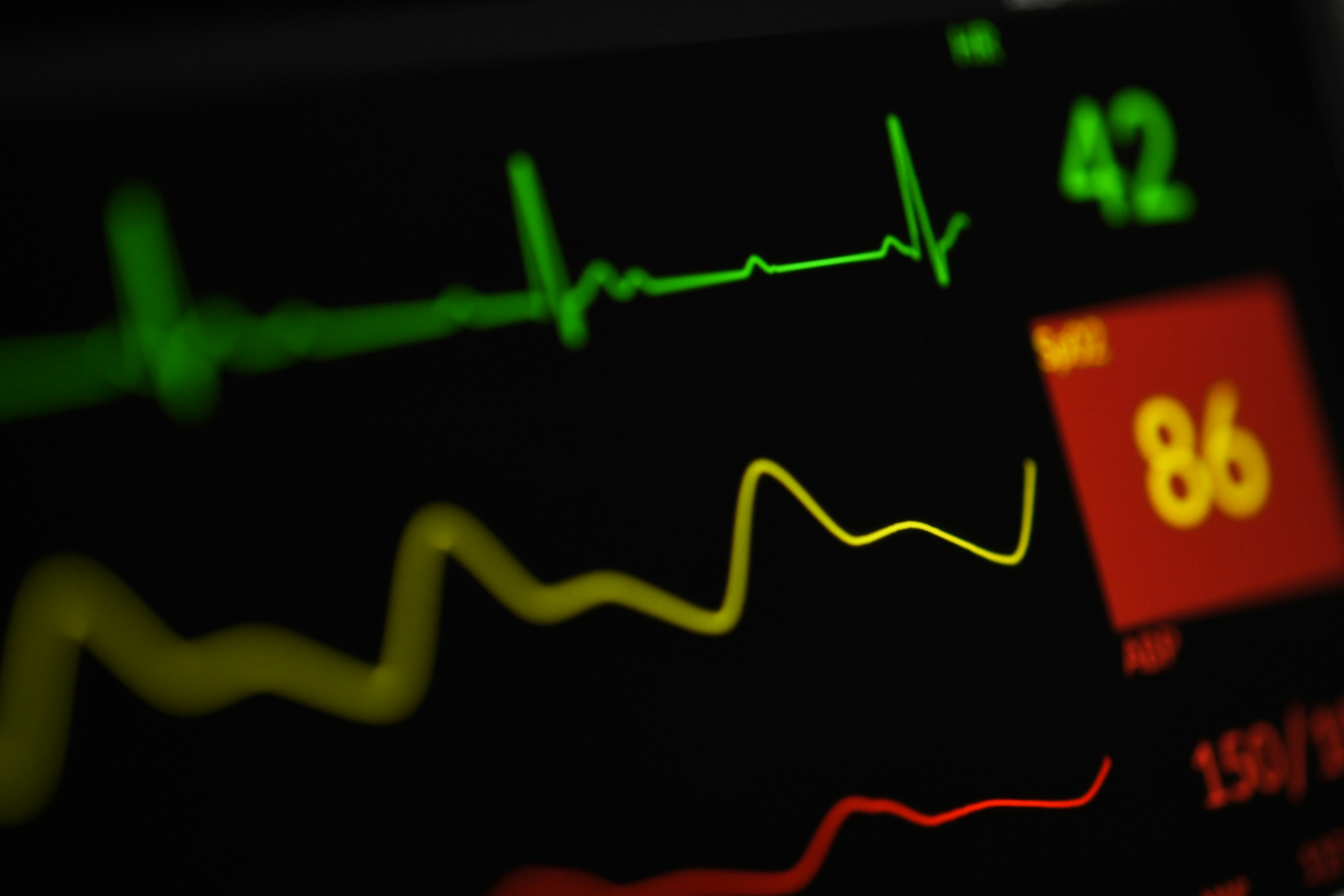
Heart rate variability does not lie. On mornings where my HRV was above my baseline, I felt good. Training was sharp, focus was clear, energy was consistent. On mornings where it dipped below, I was sluggish — even if I had slept eight hours and eaten well the day before. The correlation was so consistent that I started using HRV as my primary readiness indicator for deciding whether to train hard, train light, or rest.
The biggest factor affecting my HRV? Alcohol. Even two beers the night before would tank my HRV by 15 to 20 per cent the next morning. I did not stop drinking entirely, but seeing the data in black and white made me far more deliberate about when and how much I drank. That single adjustment probably had a bigger impact on my overall performance than any supplement or programme tweak.
Sleep Quality Over Sleep Duration
I used to chase eight hours. Now I chase quality. There were weeks where I averaged seven hours but my deep sleep percentage was high and my recovery scores reflected it. And there were weeks where I got eight and a half hours but spent most of it in light sleep, tossing around in the Brisbane heat without aircon. Duration is the headline number everyone talks about. Quality is the one that actually matters.

What Changed
Based purely on what the data showed me over six months, I made three changes that stuck. I cut weeknight alcohol almost entirely. I started sleeping with a fan pointed directly at me regardless of the temperature. And I stopped training heavy on low-HRV mornings, replacing those sessions with mobility work or an easy swim. None of these changes were dramatic. All of them were measurable.
Tracking is not about optimisation. It is about honesty. The numbers do not care about your excuses.
I am not suggesting everyone needs to track everything. But if you are training seriously and you are not at least monitoring your sleep and HRV, you are flying blind. The data does not make the decisions for you. It just makes sure you are making them with your eyes open.