
My old programme was built around a gym in Bournemouth that I knew inside out. I knew which rack was best for squats, which bench wobbled, which cable machine had tension issues, and exactly how long it took to get from the changing room to the platform. Moving to Brisbane meant losing all of that familiarity overnight.
The gym I joined in Fortitude Valley is good. Better equipped than my old place, actually. But different. Different layout, different machines, different atmosphere. And rather than try to force my old programme into a new environment, I decided to start fresh.
The Old Programme
Back home I was running a fairly standard upper-lower split four days a week, with a fifth day reserved for conditioning. It was strength-biased — heavy compounds, moderate volume, progressive overload tracked obsessively in a spreadsheet. It worked. I got stronger. But it was also built for someone whose only physical goal was to lift heavier weight. That is no longer me.
The New Approach
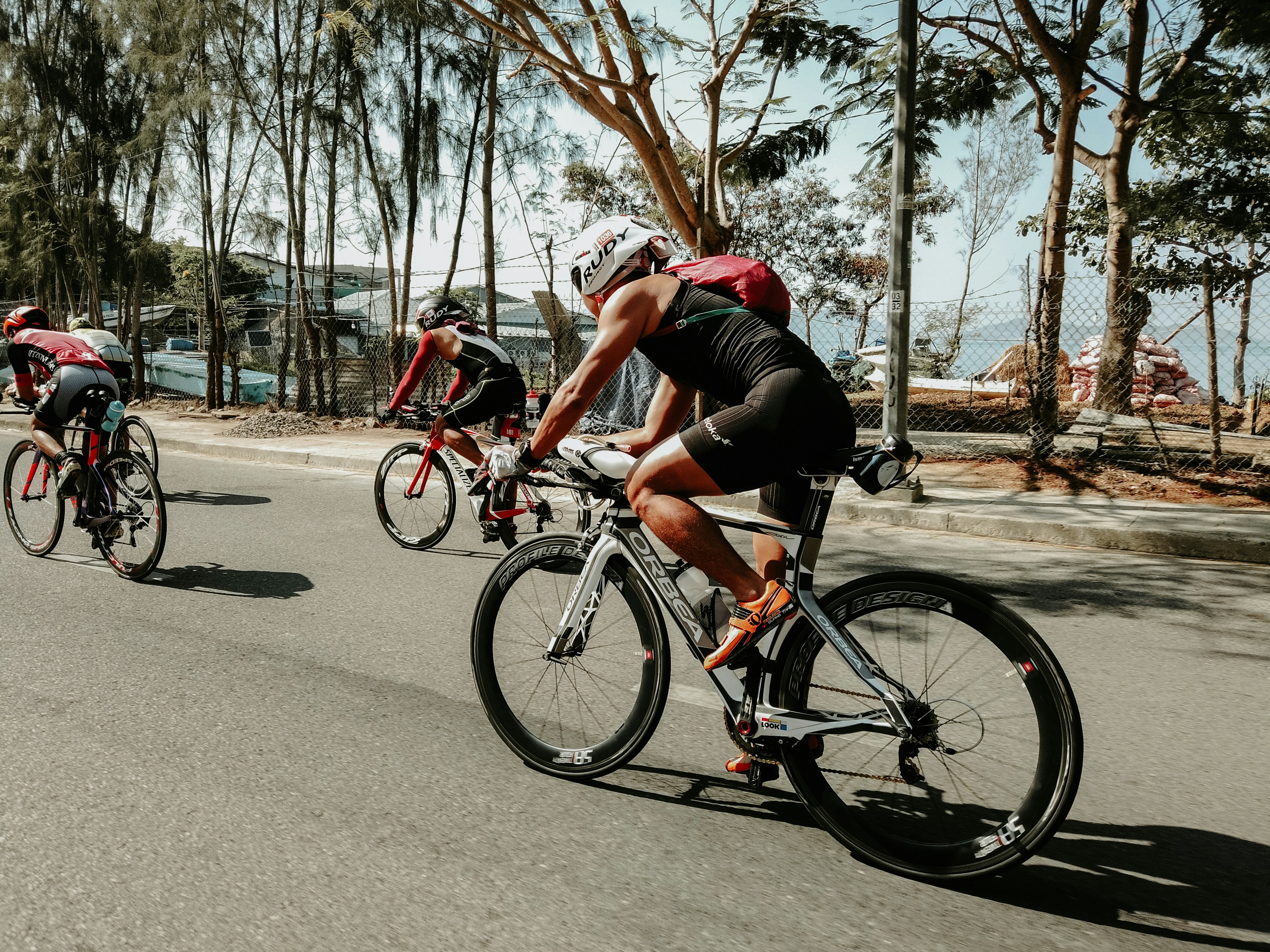
Since moving to Brisbane, my priorities have shifted. I am training for a triathlon, hiking on weekends, swimming twice a week, and trying to stay mobile enough to do all of it without falling apart. A pure strength programme does not serve that. So the new programme is built around three principles: maintain strength, build endurance, and protect mobility.
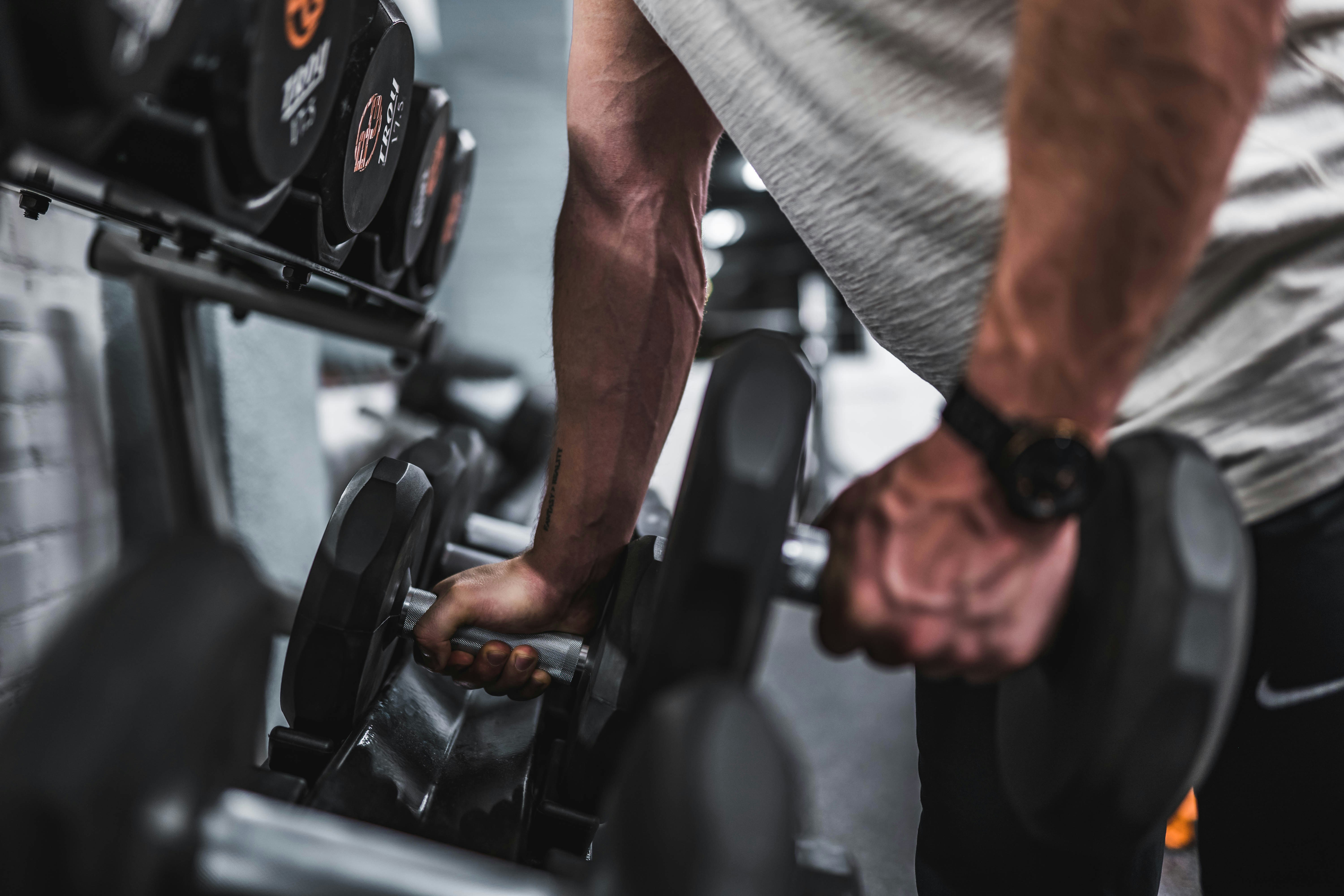
In practice, that looks like three gym sessions a week instead of five. Two are full-body sessions focused on compound movements at moderate intensity — squats, deadlifts, overhead press, rows — with enough volume to maintain what I have but not so much that it compromises my running and cycling. The third session is dedicated to mobility, core work, and single-leg stability, which I never prioritised before and which has already made a noticeable difference to how I move.
What I Learned
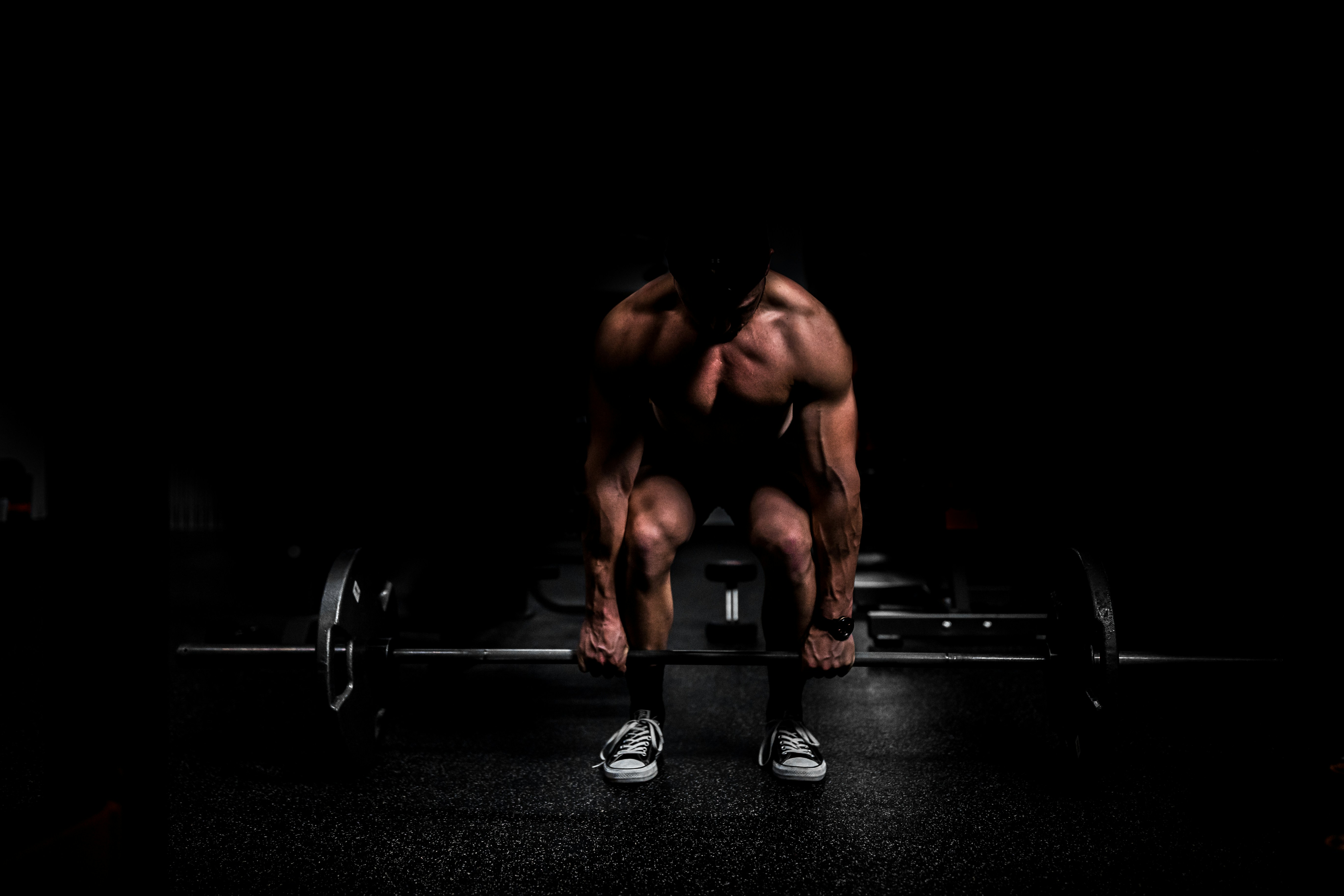
The hardest part was accepting that my numbers would drop. My squat is lighter than it was six months ago. My deadlift has not moved. My bench is probably weaker. And none of that matters, because the programme is not designed to make those numbers go up. It is designed to support a broader range of physical output. That mental shift — from chasing numbers to chasing function — took longer than rewriting the programme itself.
I also learned that training in heat requires genuine adjustment. Session RPE in a Queensland summer is automatically one to two points higher than the same session in an English winter. Hydration, timing, and pacing all need recalibrating. Early mornings are non-negotiable. Afternoon sessions in January are not worth the trade-off.
A programme is only as good as the life it supports. If it competes with everything else, it is the wrong programme.
I am not chasing personal bests right now. I am chasing consistency across multiple disciplines. The gym is one part of that. Not the centre of it. And honestly, training has never felt better.