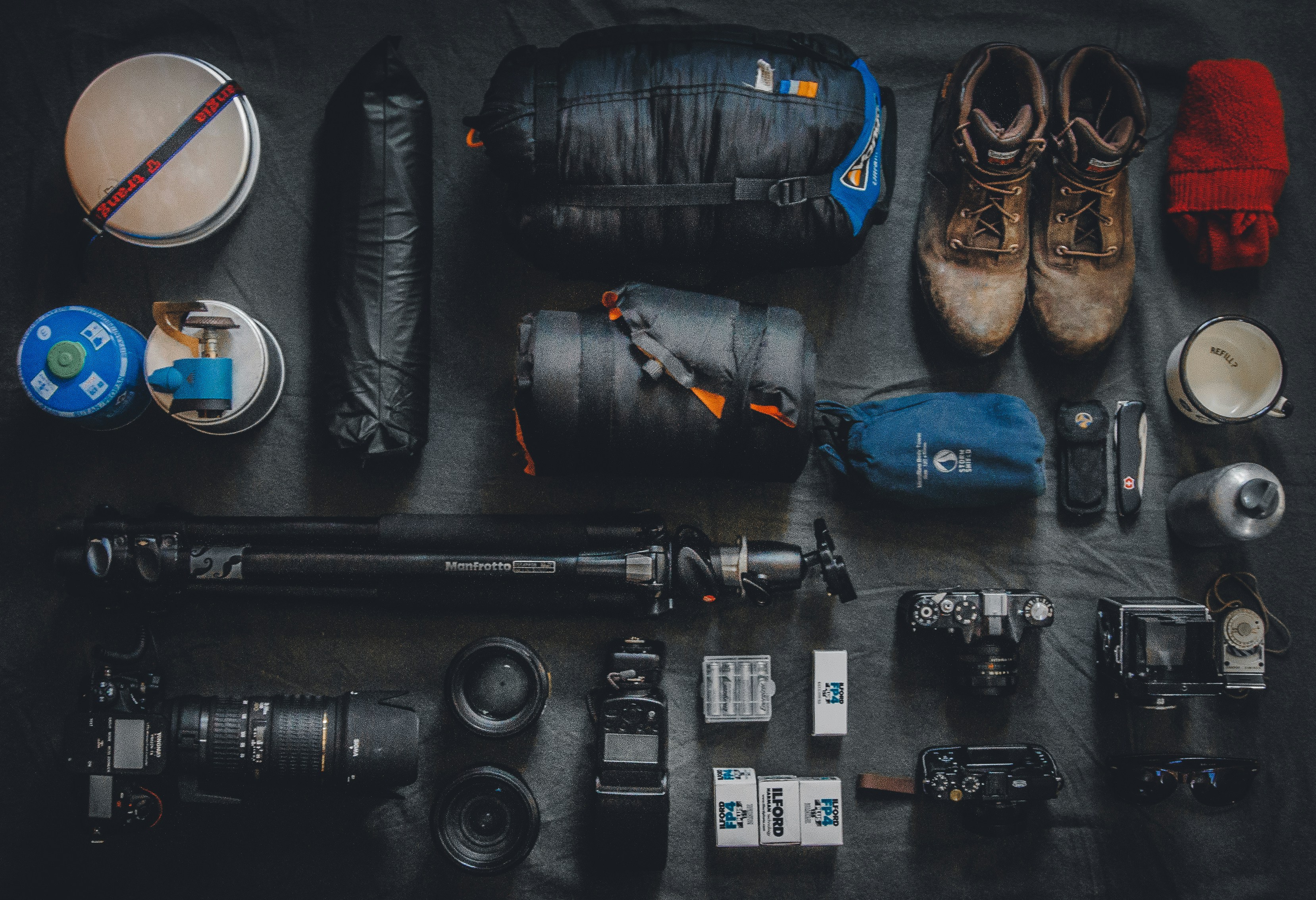
I did not come to Australia planning to stay. The visa was a two-year working holiday — the kind of arrangement that gives you just enough time to figure out whether you are visiting or leaving everything behind. I arrived in Brisbane in July with a rucksack, a rough plan, and the assumption that I would probably end up back in Dorset within twelve months.
The plan changed within the first week. Not because of the people, the work, or the lifestyle — though all of those helped. It changed because of the views.
Brisbane to the Gold Coast
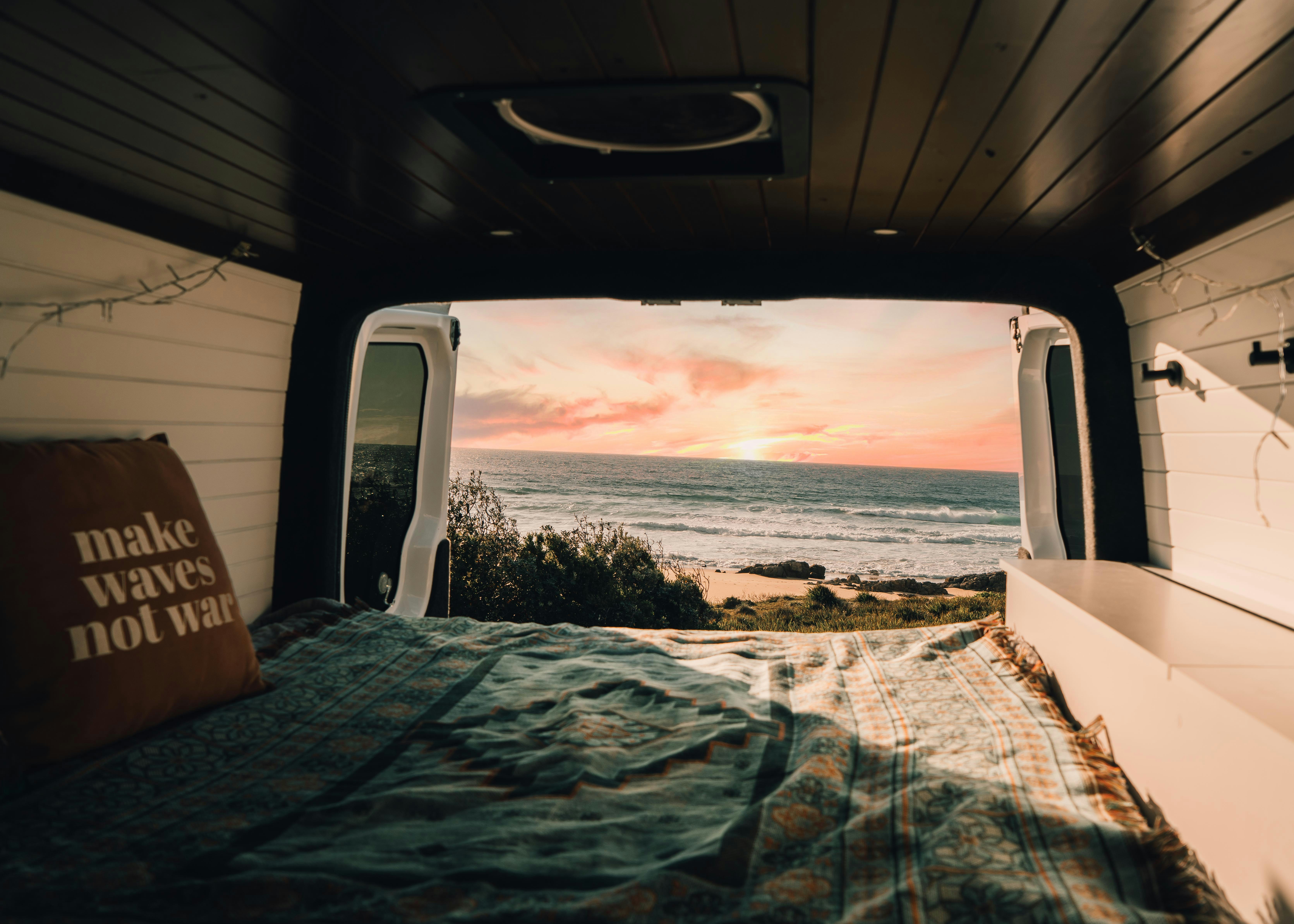
The stretch of coastline between Brisbane and the Gold Coast is not subtle. It does not creep up on you the way English scenery does, revealing itself gradually through fog and drizzle. It hits you immediately. The colour of the water alone is enough — turquoise inshore, deep blue offshore, breaking white over sand that is so clean it squeaks underfoot. I grew up near the sea, but this was a different sea entirely.
I spent my first weekend driving the coastal road south from Brisbane through Cleveland, past the Redlands, and down towards Burleigh Heads. Every turn opened up another view that I was not ready for. Headlands dropping into surf breaks. Pandanus trees leaning out over the sand. Light that turned everything golden for two hours before sunset and then, just as quickly, went dark.
The Hinterland
If the coast is the obvious beauty, the hinterland is the unexpected one. Inland from the Gold Coast, the landscape shifts from beaches to mountains in under an hour. Tamborine Mountain, Springbrook, the Scenic Rim — these are places where the subtropical rainforest is so dense and so old that the air feels heavy with it. Waterfalls drop off volcanic plateaus into valleys you cannot see the bottom of. The canopy is so thick in places that it rains underneath even when the sky is clear.
The first time I drove up to Tamborine Mountain and looked east towards the coast, I understood something I had not been able to articulate before. England is beautiful in a way that asks nothing of you. You admire it, you appreciate it, and you move on. This landscape demands a response. It is too big and too intense to be passive about. You either engage with it or you feel like you are wasting something.
The Moment
There was a specific evening — I remember it clearly. I was sitting on the headland at Burleigh watching the sun set behind the hinterland, the city skyline lit up to the north, surfers still in the water below. I had been in Australia for about three weeks. I had a half-empty stubby in my hand and nothing in my calendar for the next day. And I thought: I am not going home.
Not in a dramatic, burn-the-passport kind of way. Just a quiet, certain recognition that the life I could build here was worth more than the one I was holding open back in England. The views were part of it. The space, the light, the feeling that the landscape was not finished — that there was always more to see, more to walk through, more to discover. It was not one view that made me stay. It was the accumulation of all of them. The daily proof that this place had more to offer than I could possibly exhaust.
Home is not where you are from. It is where you stop looking for reasons to leave.
I have been here six months now. The views have not lost their effect. If anything, they have gotten better, because I know where to find them. I have my spots — the headlands, the ridgelines, the quiet beaches at low tide. And every time I stand in one of those places and look out, I feel the same thing I felt in that first week: this is enough. This is more than enough.